Digital twin and AI technologies are rapidly redefining how organizations convert raw data into actionable intelligence. As businesses face increasing operational complexity, traditional analytics often fall short of providing real-time, predictive, and system-level insights. By combining digital replicas of physical systems with advanced artificial intelligence, enterprises can simulate outcomes, anticipate risks, and optimize decisions before committing resources in the real world.
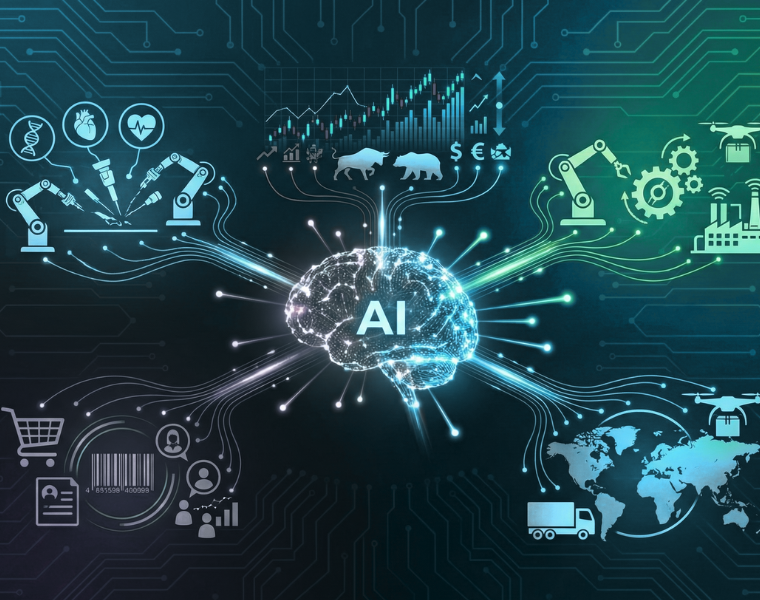
At its core, a digital twin is a dynamic virtual model of a physical asset, process, or entire organization. When integrated with AI, the model does more than mirror reality; it learns, predicts, and prescribes actions. This convergence of digital twin and AI allows companies to test scenarios continuously, improving resilience and agility in fast-changing markets.
Why Digital Twin and AI Matter for Decision Quality
The technical value of combining digital twin and AI emerges from three core functions:
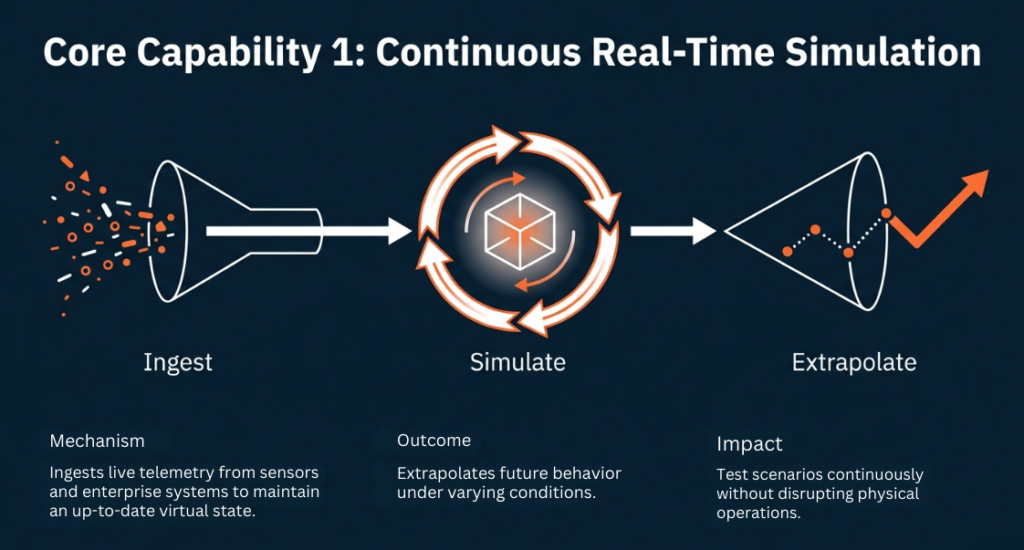
1. Continuous Real-Time Simulation:
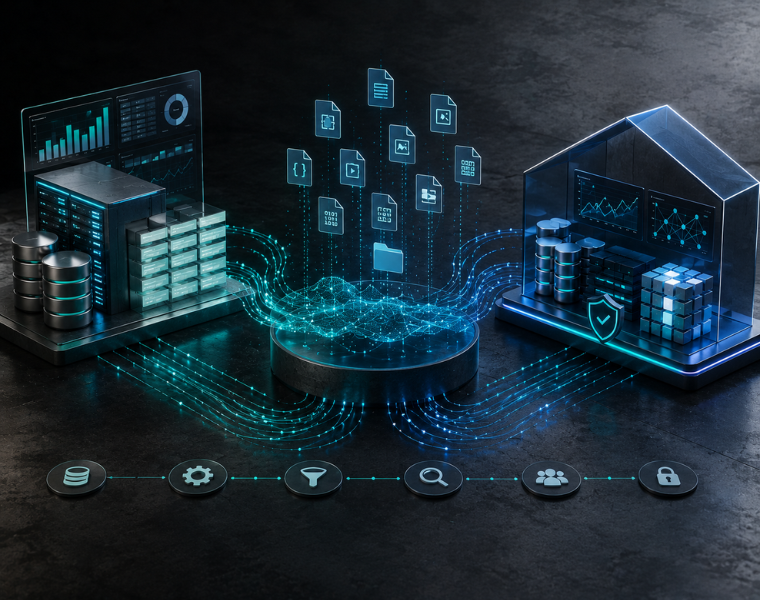
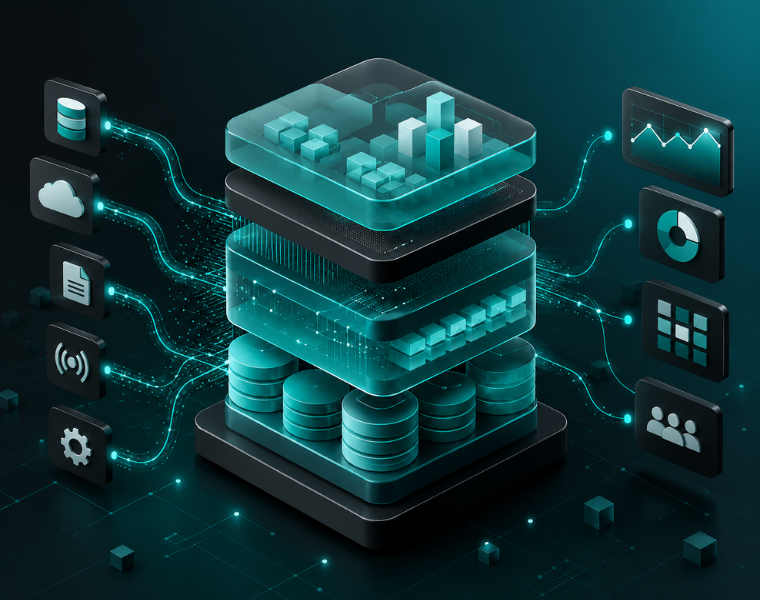
A digital twin ingests live data from sensors, enterprise systems, and IoT platforms to maintain an up-to-date virtual model. With AI engines layered on top, these simulations not only represent current states but also extrapolate future behavior under varying conditions. Scenario testing becomes automated, enabling decision makers to assess risk and reward without disrupting physical operations.
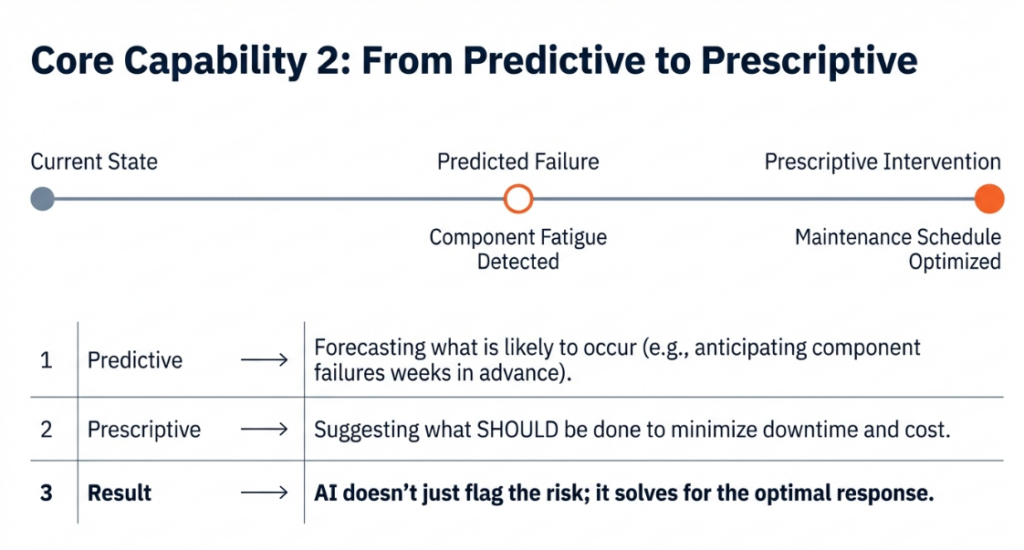
2. Predictive and Prescriptive Analysis:
Unlike descriptive analytics that explain what happened, AI models in a digital twin context can forecast what is likely to occur (predictive) and suggest what should be done (prescriptive). For example, machine learning algorithms applied to equipment twins can anticipate component failures weeks in advance, recommending maintenance schedules that minimize downtime and cost.
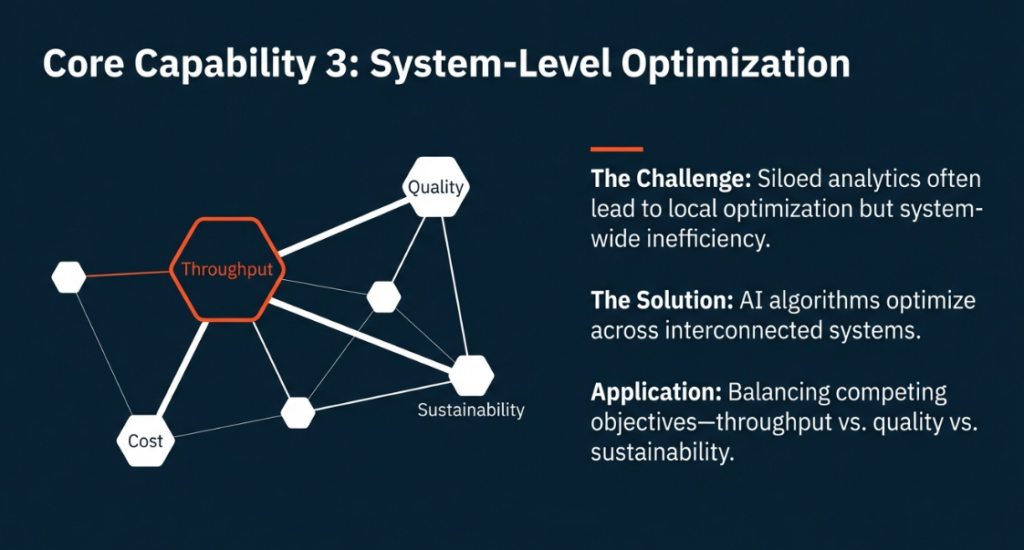
3. System-Level Optimization:
AI algorithms optimize across interconnected systems, allowing organizations to balance competing objectives such as throughput, quality, sustainability, and cost. Whether optimizing supply chains, energy grids, or smart facilities, the combined insights from digital twins and AI provide a holistic view that surpasses the siloed analytics of the past.
The Role of AI Strategy Consulting
Successfully deploying these technologies requires more than software implementation. Organizations must align data infrastructure, operating models, and governance frameworks. This is where AI strategy consulting becomes essential. By defining clear objectives, identifying high-impact use cases, and ensuring data readiness, AI consulting helps enterprises maximize returns on investment.
An effective AI strategy engagement also addresses organizational readiness. Digital twins and AI often challenge existing workflows and decision rights. Consultants help design change management plans, ensuring that insights generated by AI are trusted and acted upon across the business.
Moreover, Priorise’s AI strategy consulting ensures scalability. Pilot projects frequently demonstrate value, but scaling across functions and geographies demands architectural consistency and robust data pipelines. Strategic guidance reduces fragmentation and accelerates enterprise-wide adoption.
Market Dynamics and Future Outlook
The market opportunity for digital twin technologies underscores the strategic importance of digital twin and ai in business planning. Multiple industry research reports project substantial growth in the digital twin market in the coming decade. For example, one forecast expects the digital twin market to grow from USD 9.3 billion in 2025 to USD 177.5 billion by 2035 at a compound annual growth rate (CAGR) of 34.3 percent, reflecting broader adoption and deepens integration of AI and IoT technologies .
Another market analysis anticipates that the digital twin technology market will reach approximately USD 384.9 billion by 2035 with a CAGR exceeding 30 percent, driven by demands for real-time monitoring and predictive analytics across sectors such as manufacturing, energy, and healthcare. These forecasts indicate that integrating digital twin and AI capabilities will be a core strategy for organizations pursuing digital leadership over the next decade.
Smarter Decisions Through Real-Time Simulation
One of the most powerful benefits of digital twin and AI solutions is scenario simulation. Leaders can evaluate multiple strategic options such as supply chain reconfiguration, pricing changes, or capacity expansion without disrupting live operations. AI-driven simulations help quantify trade-offs, risks, and expected outcomes with a high degree of accuracy.
This capability is especially valuable in uncertain environments. Whether responding to demand volatility or regulatory changes, businesses gain confidence by testing decisions virtually. As a result, executive teams rely less on intuition and more on data-backed insights.
Summary:
The journey from data to decisions is no longer about dashboards and retrospective reports. Through the integration of digital twin and AI, businesses gain predictive foresight, system-level visibility, and decision confidence. Supported by disciplined AI strategy consulting, these technologies enable organizations to act faster, smarter, and with measurable impact.
If your organization is ready to move beyond reactive analytics and embrace decision intelligence, now is the time to explore how digital twins and AI can reshape your operations. Partner with Priorise to build a clear roadmap and transform data into a sustained business advantage.