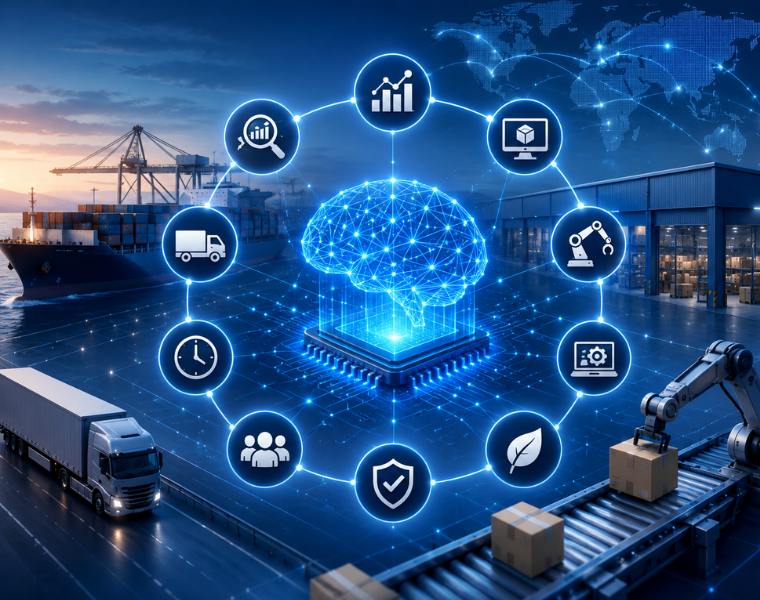
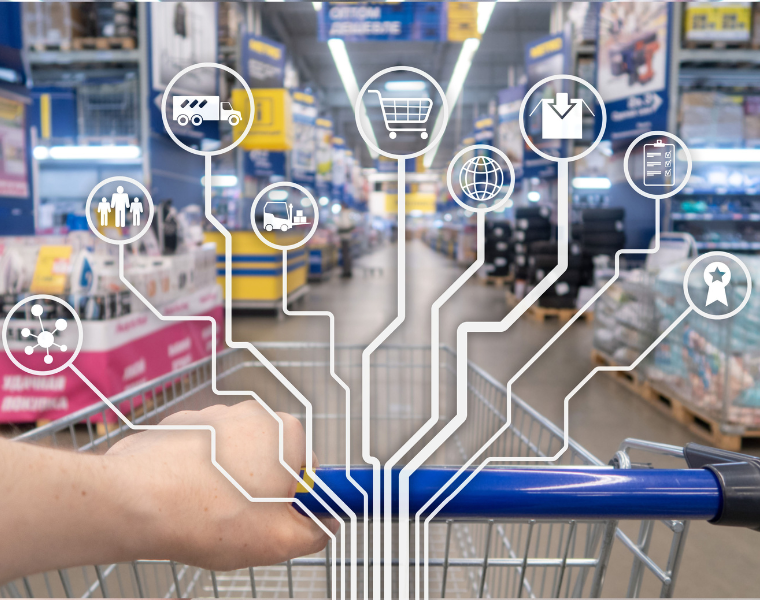
For modern retailers, the gap between surplus and shortage is a multi-million-dollar problem. Disconnected data leads to costly overstocks, missed sales from understocks, and inefficient logistics that erode margins. This is where advanced Retail Analytics moves from a buzzword to a critical operational backbone. By transforming raw data into predictive intelligence, it empowers businesses to build a truly responsive and efficient supply chain. Leading retail analytics companies like Priorise specialize in deploying these solutions to create a significant competitive advantage.
How Retail Analytics Optimizes Supply Chain Intelligence
Leading retail analytics companies are increasingly using predictive analytics to create smarter, more agile supply chains. Key applications include:
- Dynamic Inventory Allocation: Using analytics to distribute stock across warehouses and stores based on real-time demand and sales velocity.
- Predictive Demand Forecasting: Leveraging point-of-sale data, regional trends, and online behavior to anticipate product demand.
- Supplier Risk Management: Monitoring supplier performance metrics to proactively address delays or quality issues.
Practical Example: A consumer electronics retailer can combine historical sales data with regional buying patterns to preposition high-demand products like smart devices ahead of seasonal launches, avoiding both stockouts and overstock situations.
Transforming Logistics Through Retail Analytics
Logistics is often the most significant expense in retail supply chain management. Retail analytics provides actionable insights to enhance efficiency:
- Warehouse Process Automation: Data analytics identifies workflow bottlenecks to reduce picking and packing times.
- Optimized Delivery Routes: AI-driven algorithms calculate the fastest, least-cost routes for last-mile delivery.
- Shipment Predictive Monitoring: Real-time analytics predict delays and trigger proactive resolutions.
Use Case: An e-commerce grocery chain can use route optimization and predictive tracking to ensure perishable items reach customers on time, minimizing spoilage and maximizing freshness.
Leveraging Customer Retention Analytics for Demand Planning
Understanding customer behavior is crucial to demand planning. Integrating customer retention analytics into retail operations allows businesses to:
- Predict Churn: Detect early indicators of declining engagement and implement retention strategies.
- Segment and Personalize Offers: Identify high-value repeat customers and tailor marketing campaigns to increase loyalty.
- Optimize Product Assortments: Analyze repeat purchase patterns to stock items most relevant to loyal customers.
Example: A fashion e-commerce platform can track returning customers’ preferred styles and sizes, offering curated product recommendations and targeted discounts that drive repeat purchases.
Key Benefits of Retail Analytics
- Streamlined logistics and reduced operational costs
- Accurate demand forecasting, minimizing inventory waste
- Proactive decision-making based on real-time insights
- Enhanced customer retention through data-driven personalization
By integrating retail analytics, businesses gain the ability to respond to market fluctuations, reduce costs, and create seamless shopping experiences that keep customers returning.
Leading Retail Analytics Companies Driving Innovation
Several retail analytics companies are at the forefront of providing these capabilities:
- SiteZeus: Specializes in predictive and location analytics, helping retailers optimize store placements and growth strategies.
- Woopra: Known for detailed customer journey analytics that empower personalized marketing and customer retention strategies.
- Stackline: Focuses on e-commerce analytics that convert sales data into actionable business insights like marketing optimization and product listing enhancements.
Choosing the right retail analytics company depends on specific business needs such as scale, data sources, and technological preferences
Why Choose Priorise for Retail Analytics?
Priorise offers comprehensive retail analytics solutions tailored to improve supply chain intelligence, logistics, and demand planning. Our platform empowers retailers to:
- Make data-driven decisions with real-time dashboards.
- Enhance operational efficiency and reduce costs.
- Increase customer retention through actionable insights.
Summary
Retail analytics is an indispensable tool for improving supply chain intelligence, logistics, and demand planning. By leveraging data-driven insights, retailers can optimize operations, reduce waste, and enhance customer experiences. Integrating customer retention analytics further drives loyalty, ensuring sustainable business growth. For companies aiming to stay competitive in the fast-paced retail landscape, adopting retail analytics solutions from trusted retail analytics companies is critical.
Your competitors are already investing in retail analytics—don’t fall behind. Partner with Priorise now to unlock smarter decisions, optimized operations, and a lasting competitive edge.

Praveen Kumar
Engagement Manager
15 year of experience in driving successfully project deliveries with data driven insights

Praveen Kumar
15 year of experience in driving successfully project deliveries with data driven insights